
Load assessment
Separate critical loads from other site demand. Review the expected operating load, starting conditions, future growth and any special characteristics that affect equipment selection.
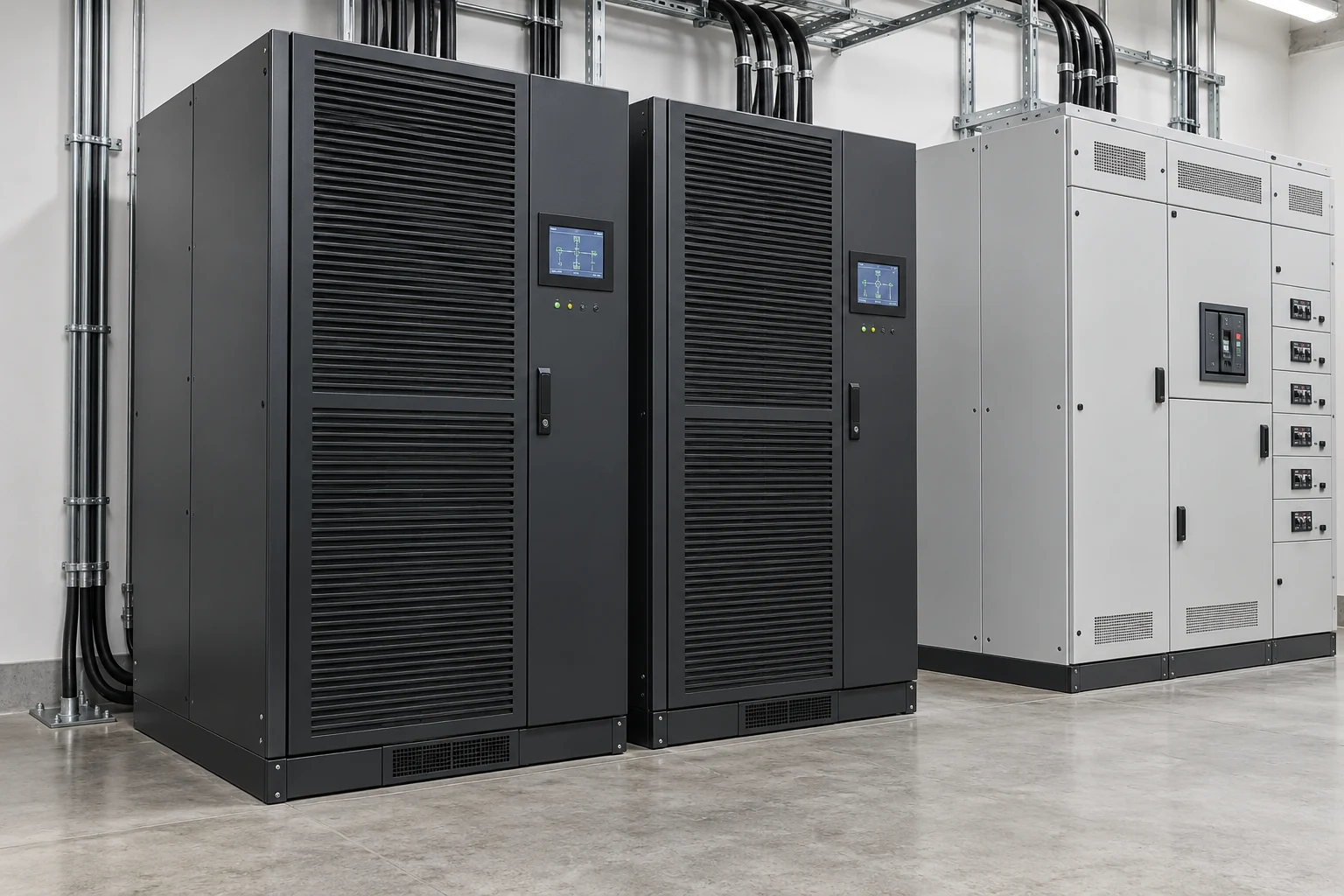
Continuity planning begins with the loads that must remain available and the interruptions they can tolerate. A UPS arrangement needs to be considered with upstream supply, downstream distribution and the maintenance strategy. Equipment ratings alone do not describe how the complete system behaves during a fault or a planned intervention.
N-STS supports equipment and interface coordination for backup power and power conversion applications. The scope can connect equipment selection, installation requirements, system monitoring and the evidence needed for a practical handover.
| Design input | What to coordinate |
|---|---|
| Load characteristics | Demand profile, growth allowance and power quality needs |
| Continuity strategy | Required autonomy and permitted interruption |
| Electrical interface | Input, output, bypass and protection coordination |
| Service arrangement | Isolation access, inspection and replacement routes |
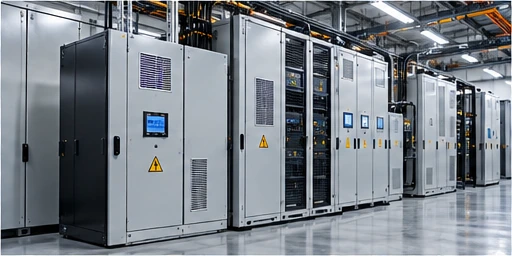
Map critical loads and their continuity needs.
Review normal, backup and maintenance operating modes.
Coordinate protective devices and monitoring interfaces.
Document agreed tests and operational instructions.